Udzungwa Mountains National Park
Explore Tanzania's Gems
Explore Tanzania's Gems
Southern Tanzania
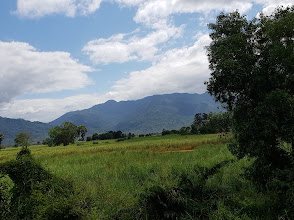
Udzungwa Mountains National Park covers 1,990 km² of pristine forest along the eastern arc mountains, a globally recognised biodiversity hotspot. Established as a national park in 1992, it harbours one of East Africa's last great virgin forests.
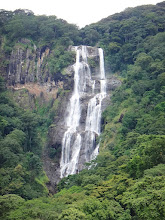
The park ranges from 250 metres to 2,576 metres at Lohomero Peak and is home to over 2,500 plant species — a quarter of which are found nowhere else on Earth. Its remote valleys shelter six primate species, including two discovered only in 1979: the Iringa red colobus and the Sanje crested mangabey. The park's centrepiece is the magnificent Sanje Waterfall, which plunges 170 metres through the forest canopy.
Park Size
Highest Peak
Sanje Waterfall
Best: Jun–Oct
Highlights
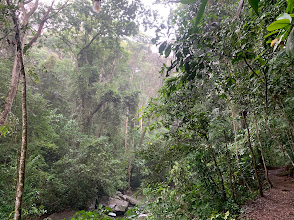
Hike through lush forest to the base of the 170-metre Sanje Waterfall, the tallest waterfall in any Tanzanian national park. The mist and spray create a magical rainforest atmosphere.
Udzungwa is famous for its six primate species, including the Sanje crested mangabey and Iringa red colobus — both endemic and only scientifically described in 1979.
With over 2,500 plant species, the forest is a living museum. From tiny African violets to 30-metre towering trees, the botanical diversity is staggering.
Over 400 bird species inhabit the park, making it one of East Africa's top birding destinations. Endemic species include the Udzungwa forest partridge and many others.
The park is a walker's paradise with trails ranging from short nature walks to multi-day treks across the escarpment. No roads exist inside the park — only footpaths.
For serious hikers, the climb to Lohomero Peak (2,576m) offers breathtaking views over the Kilombero floodplain and across to the Selous ecosystem beyond.
Plan Your Visit
Best hiking conditions with drier trails and clearer skies. Wildlife gathers near water sources. Waterfall views are excellent. This is the peak season for walking safaris.
The forest is at its most lush and vibrant. Waterfalls are at full force. Trails can be slippery. Excellent for birdwatching with migratory species present from December to February.