Ngorongoro Conservation Area
Explore Tanzania's Gems
Explore Tanzania's Gems
Northern Tanzania
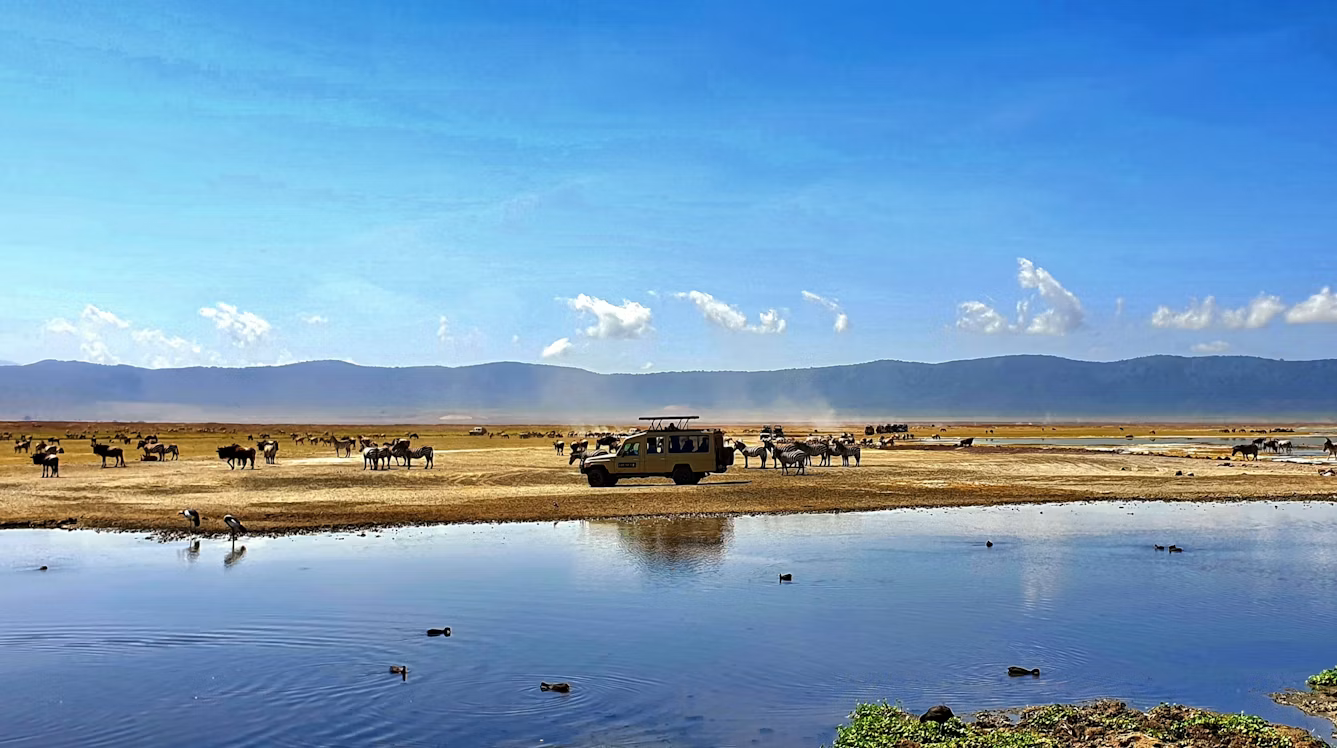
The Ngorongoro Conservation Area is a world unto itself. A massive volcanic caldera that shelters nearly 30,000 animals within its walls—often called the "Eighth Wonder of the World."
A UNESCO World Heritage Site and one of the Seven Natural Wonders of Africa, the Ngorongoro Crater is home to one of the densest populations of large mammals anywhere on Earth.
Crater Depth
Animals in Crater
Best: Jun–Oct & Dec–Mar
World Heritage Site
Highlights
The winding road down into the crater reveals an unparalleled wildlife paradise.
Game drives reward visitors with close encounters of virtually every major African mammal. Lake Magadi attracts thousands of flamingos.
Engage with Maasai communities who share the conservation area. Visit traditional bomas and witness jumping dances.
Stay at lodges perched on the crater rim for some of the most dramatic views in Africa. Sunrise over the crater is unforgettable.
Explore the crater rim on guided walking safaris. Discover hidden waterfalls and visit nearby Olduvai Gorge—the "Cradle of Mankind."
Over 500 bird species recorded. Flamingos at Lake Magadi, raptors, ostriches, and Fischer's lovebird make it a birder's paradise.
Landscapes, history, and Maasai culture
Guided walks along the crater rim offer breathtaking views, cool forests, and a chance to spot monkeys and birds away from crowds.
Visit the "Cradle of Mankind" where the earliest human fossils were discovered. A fascinating stop combining history with nature.
Visit authentic Maasai bomas, learn about their pastoral lifestyle, and witness traditional jumping dances in the conservation area.
A lesser-known volcanic caldera with a soda lake at its floor. A rewarding hike with spectacular views and frequent flamingo sightings.
The rim viewpoints at sunrise are among Africa's most dramatic. Watch clouds pour into the caldera as golden light floods the floor.
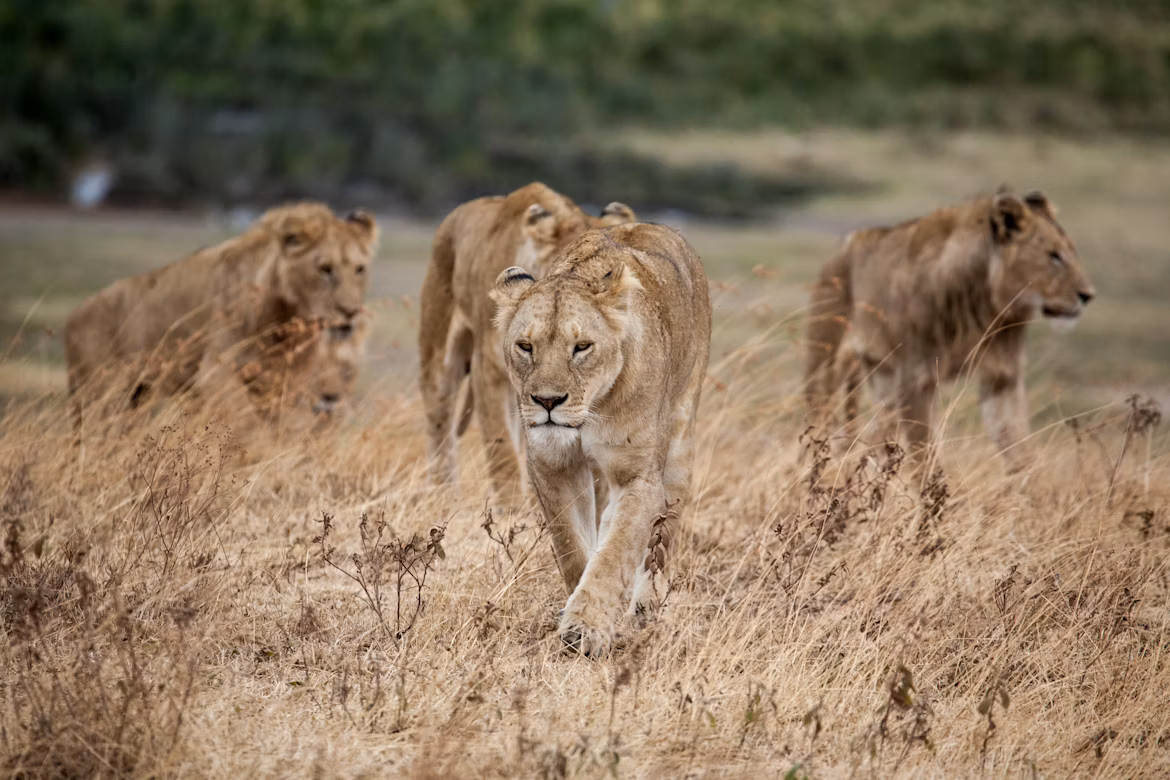
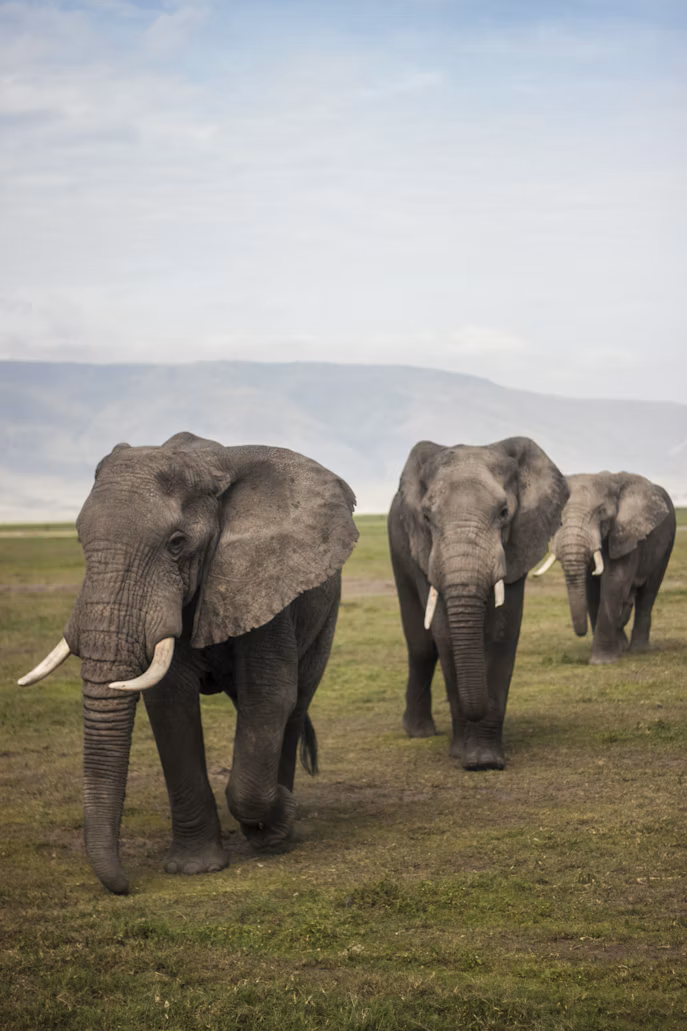
Descend 610m into the crater for close encounters with rhinos, lions, elephants, and flamingos at Lake Magadi.
Plan Your Visit
The best time for wildlife viewing with excellent visibility. Animals congregate around water sources and the grass is shorter.
Lush landscapes, fewer visitors, and the calving season brings an abundance of newborn animals and predator action.